Home / Quiz

Quiz: How to get
Unstuck?
Where should I start?
Your Breakthrough Archetype
You know something
needs to change —
but not what.
8 questions · about 2 minutes · one clear next step
At the end, the one next step that actually fits where you are.
This is a free self-discovery quiz for the stretch where life still looks fine from the outside and quietly doesn't feel like yours. You're functioning. You're just not sure when it started costing this much.
Rather than a personality test, it reads for where you are right now — which of four archetypes you're moving through, what your strength in it is, what it's asking of you, and what to do next. You'll get a short practice you can try the same night, and a workbook or session matched to your result.

your archetype
The Seeker
Something is off. You feel it before you can explain it — and that's the hardest place to stand, because there's nothing to point at yet.
Why this is your strength
You're still listening. A lot of people stopped listening years before they got here and called it coping. You haven't — which means the signal is still reaching you.
What needs work
Naming it. Right now it's a feeling with no edges, and something with no edges is very hard to change. You don't need a plan yet. You need language.
Finding the words
Right now it's a feeling with no edges, and something with no edges is very hard to change. You don't need a plan yet. You need language — and the language comes from the body, not from thinking harder.
Trusting the signal
Half your energy goes on deciding whether you're allowed to feel this, given that nothing is technically wrong. That second-guessing costs more than the thing you're second-guessing.
Staying long enough to hear it
You notice something, and you're gone before it finishes. The information is in the staying — usually about forty seconds longer than is comfortable.
Where this usually shows up in the body
Because it hasn't got words yet, it usually speaks physically first. What people in this pattern describe most:
- A tightness in the chest or throat that turns up with no story attached to it
- Sighing or yawning through the day without being tired
- Waking at 3 or 4am wide awake, with nothing specific on your mind
- Appetite that comes and goes and doesn't match your hunger
- A low hum of tension you only notice in the moments it briefly stops
- Feeling slightly outside your own body — watching yourself do the day
- Tiredness that a full night's sleep doesn't touch
These are patterns people describe, not a diagnosis and not a cause. Any physical symptom deserves a doctor first — this work runs alongside that care, never instead of it.
Three things to try
- TonightSit down, feet flat on the floor. Ask your body one question — where am I holding this? — and don't answer on its behalf. Just notice where your attention goes first. That's the beginning of the language.
- Tomorrow morningBefore you touch your phone, say one sentence out loud: right now my body feels… — and stop at the word. No explaining it, no fixing it. Do this for a week and you'll notice you reach for words you didn't expect.
- This weekStart a note on your phone called signals. Each time something tightens, write two lines: what your body did, and what happened ten minutes before it. You're not analysing — you're collecting. The pattern usually shows itself around day five.
Your next step: START
One session, 60–75 minutes, to put words to what your body has been signalling. No plan required beforehand — that's the whole point of it.
Rather begin on your own? This one goes straight at naming what's underneath, before it makes decisions for you.
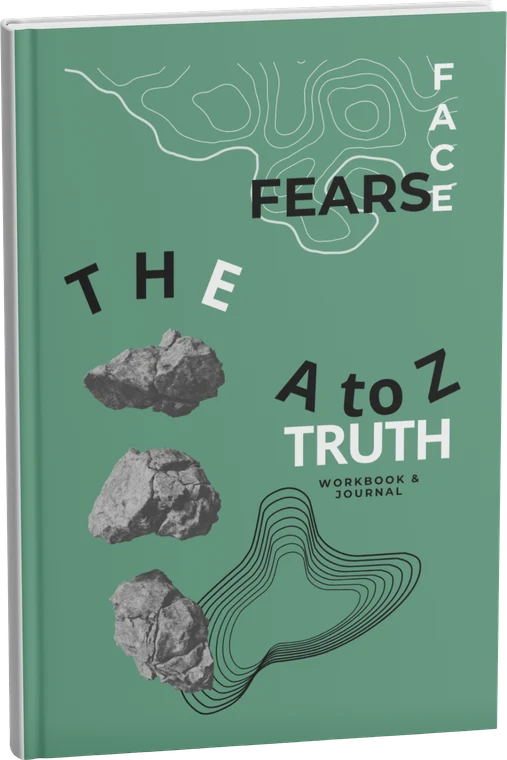 FACE YOUR FEARSworkbook & journal
You're in good company
Recognisable people whose public stories carry this same pattern — our own read, not theirs, and not a claim about their private life.

your archetype
The Phoenix
You've been through something real, and you're still standing. But standing isn't the same as recovered — and some part of you is still braced for a thing that already happened.
Why this is your strength
Resilience, genuinely. You've carried what would have flattened other people, and you're still here and still functioning. That's not nothing, and it isn't luck.
What needs work
Your nervous system hasn't been told it's over. Strength got you through it — strength won't get you out of it. That part takes something slower, and it happens in the body, not in the retelling.
Telling your body it's over
The event ended. The alert didn't. Your system is still running a protocol for a threat that has already passed, and it won't stand down on logic alone.
Stopping without crashing
Rest arrives as a collapse rather than a choice — you go until you can't, then you're flattened. Learning to stop earlier, deliberately, is most of the work.
Letting it have been hard
You describe what happened in a light voice, with a shrug at the end. That minimising is doing something: it keeps the thing sealed, and sealed things stay live.
Where this usually shows up in the body
The event is over. Your nervous system hasn't been told yet. What people in this pattern describe most:
- A startle response still set too high — the phone buzzes and your whole body jumps
- Shoulders and jaw holding a position you never chose
- Sleep that starts fine and breaks at the same hour every night
- Adrenaline arriving for things that aren't threats — an email, a tone of voice
- Exhaustion that lands the moment you finally stop moving
- Getting ill in the gaps — the first quiet weekend, the first day of the holiday
- Breath that stays high in the chest and never reaches the bottom
These are patterns people describe, not a diagnosis and not a cause. Any physical symptom deserves a doctor first — this work runs alongside that care, never instead of it.
Three things to try
- TonightCatch the next moment your body reacts to something that isn't actually happening right now — a tone of voice, a message notification, a certain silence. Don't fix it. Just catch it. The noticing is the work starting.
- Tomorrow morningWhen you notice the bracing, put one hand flat on your ribs and lengthen the out-breath so it's longer than the in-breath. Six rounds. You're not calming down — you're showing your body that the exhale is still available to it.
- This weekOnce a day, name out loud what is actually true right now: I'm in my kitchen. It's Tuesday. Nothing is happening. It sounds absurdly simple. It's also how a nervous system checks the date — and yours is still reading an old one.
Your next step: SHIFT
Three months, six sessions, to change the pattern from the inside — body responses, survival reactions, the bracing that outlived its reason. This is the depth your situation actually asks for.
Want something to hold in the meantime? This one goes after the fear that's still running the bracing.
FACE YOUR FEARSworkbook & journal
You're in good company
Recognisable people whose public stories carry this same pattern — our own read, not theirs, and not a claim about their private life.

your archetype
The Alchemist
You can see the life you want clearly. What you can't see is what keeps stopping you — and living in that gap has its own particular exhaustion.
Why this is your strength
Vision. You still believe things could be genuinely different, which is more than most people allow themselves after a certain point. That belief is fuel, and you haven't burned through it.
What needs work
Insight isn't change. You have understood this pattern more than once — possibly many times — and it's still here. That's not a discipline problem. It's that the pattern isn't living in your thinking; it's living in your body.
Naming the real obstacle
It isn't discipline and it isn't willpower. It's a physical response that arrives on cue — and you can't out-plan a nervous system reaction by planning harder.
Making the first move smaller
You think at full scale and start at full scale, so you don't start. The size of your beginning is the actual problem, not the size of your ambition.
Beginning before you're ready
You're waiting for readiness to show up first. It doesn't. It's produced by starting — which is a very annoying order of operations, and it doesn't change.
Where this usually shows up in the body
The block isn't in your thinking, so it shows up in your body instead. What people in this pattern describe most:
- A heaviness that arrives exactly when you sit down to begin
- Tension across the upper back and between the shoulder blades
- Your stomach turning at the moment of deciding — not before, not after
- Energy that's fine until you approach the thing that matters, then vanishes
- Restless in the evening, flat in the morning
- Headaches that show up on the days you'd planned to move forward
- Holding your breath without noticing, then catching up on it all at once
These are patterns people describe, not a diagnosis and not a cause. Any physical symptom deserves a doctor first — this work runs alongside that care, never instead of it.
Three things to try
- TonightNext time you catch yourself planning the change instead of making it, stop and check what's happening physically. Chest tight? Breath gone shallow? Jaw set? That reaction is the actual obstacle — not your willpower.
- Tomorrow morningTake the thing you've been circling and cut it to a version so small it's almost embarrassing. Two minutes. Then do that and stop, even if you want to continue. You're not building momentum yet — you're proving the alarm was wrong.
- This weekWhen the resistance arrives, don't argue with it. Ask what it's protecting. Give it thirty seconds to answer. Something that has been called laziness for years is almost always fear wearing better clothes.
Your next step: OBSERVE
Four sessions over two to three months to see what's genuinely running underneath — what your body reacts to, what keeps repeating, and what it's been protecting you from all this time.
Prefer to start alone? This one works on the stress sitting underneath the plans.
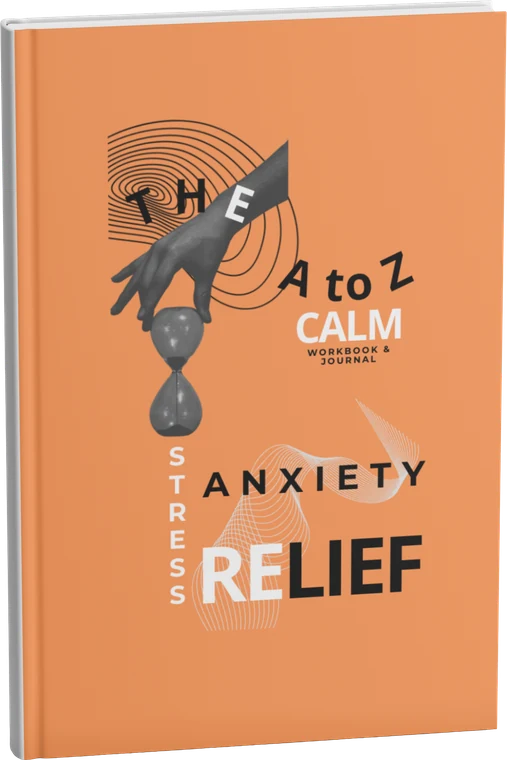 ANXIETY & STRESSworkbook & journal
You're in good company
Recognisable people whose public stories carry this same pattern — our own read, not theirs, and not a claim about their private life.

your archetype
The Boundary Warrior
You're not confused about what's draining you. You know exactly who, and exactly what. The problem is what it costs you to say no — and how long you keep paying afterwards.
Why this is your strength
Clarity. You can name the drain, which is a step most people never manage — they just get tired and blame themselves for it. You've already done the part that requires honesty.
What needs work
Saying no in your head isn't the same as saying it out loud. And the guilt that arrives afterwards isn't a character flaw — it's a body response you learned somewhere, probably early, probably for a good reason at the time.
Saying it in the moment
Not the perfect sentence, not the explanation you've drafted since Tuesday. A plain no, at normal speed, without the paragraph of justification underneath it.
Surviving the hour afterwards
The no isn't the hard part. The guilt that follows is — and because you'd rather not feel it, you keep agreeing in advance to avoid it. That's the loop, not the boundary.
Knowing what you actually want
You're extremely clear on what drains you and much vaguer on what fills you. A boundary with nothing behind it is just a wall — you need something worth protecting.
Where this usually shows up in the body
Every yes you didn't mean gets stored somewhere. Usually here. What people in this pattern describe most:
- Jaw and neck tight by the end of most days
- Your stomach reacting to specific people, specific names on a screen
- A wave of exhaustion straight after agreeing to something you didn't want
- A headache on the way to the thing you said yes to
- Tension through the hips and lower back that stretching never quite reaches
- Shallow breath in any conversation where you're managing someone else's mood
- Feeling physically lighter the second plans get cancelled
These are patterns people describe, not a diagnosis and not a cause. Any physical symptom deserves a doctor first — this work runs alongside that care, never instead of it.
Three things to try
- TonightSay no to one small, low-stakes thing. Then notice how long the discomfort actually lasts. Time it if you want to. It is almost always shorter than the version your body is bracing for.
- Tomorrow morningPractise the pause. When someone asks for something, say let me get back to you — even when you already know the answer. The pause is the whole skill; the no gets much easier once it isn't instant.
- This weekAt the end of each day write down one thing that drained you and one that didn't. No decisions, no changes. By day seven you'll have something better than willpower: evidence — and evidence is far harder to talk yourself out of.
Your next step: OBSERVE
Four sessions to trace where the guilt response was learned and what it's still guarding — so that saying no stops costing you three days every time.
Want to work on it solo first? This one is built for what you've been swallowing instead of saying.
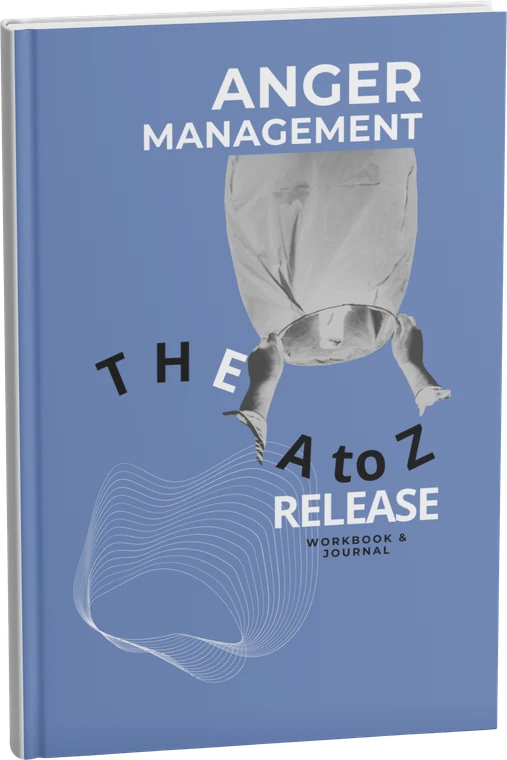 ANGER MANAGEMENTworkbook & journal
You're in good company
Recognisable people whose public stories carry this same pattern — our own read, not theirs, and not a claim about their private life.
Questions people ask
What are the four archetypes in the quiz?
The Seeker, the Phoenix, the Alchemist, and the Boundary Warrior. Which one you are — and what it means — is what the quiz tells you.
What is a Breakthrough Archetype quiz?
It's a short self-discovery quiz that reads for where you are right now rather than what your personality is. Eight questions about how you actually move through your days sort you into one of four archetypes, each with a specific next step.
How long does the quiz take?
About two minutes. Eight questions, four picture answers each, and your result appears the moment you finish.
Is it really free, and do I need to give my email?
It's completely free and there's no email required. Nothing is saved and nothing is sent to you. Your result appears on the page straight away, and you can share it or take the quiz again as often as you like.
Is this a personality test?
No. A personality test tells you what you're like in general. This looks at the season you're in — what's currently pulling at you, what your strength in it is, and what it's asking of you. Take it again in six months and you may well land somewhere else.
What do I get at the end?
Your archetype, why it's a strength, what it's asking you to work on, one small practice you can try the same night, and a matched next step — either a workbook to use on your own or a session if you'd rather look at it together.
Is this therapy or a diagnosis?
Neither. It's a reflective quiz and a starting point for a conversation. It isn't an assessment, a diagnosis, or medical advice. If you're struggling with a physical symptom please see a doctor, and if you're in crisis please contact a licensed professional or your local emergency service.